

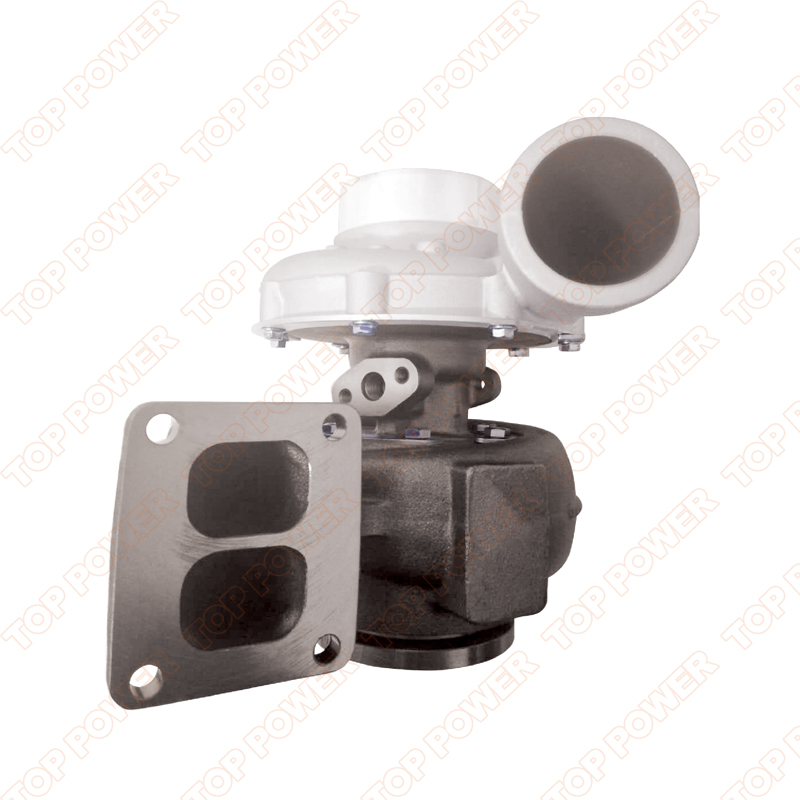
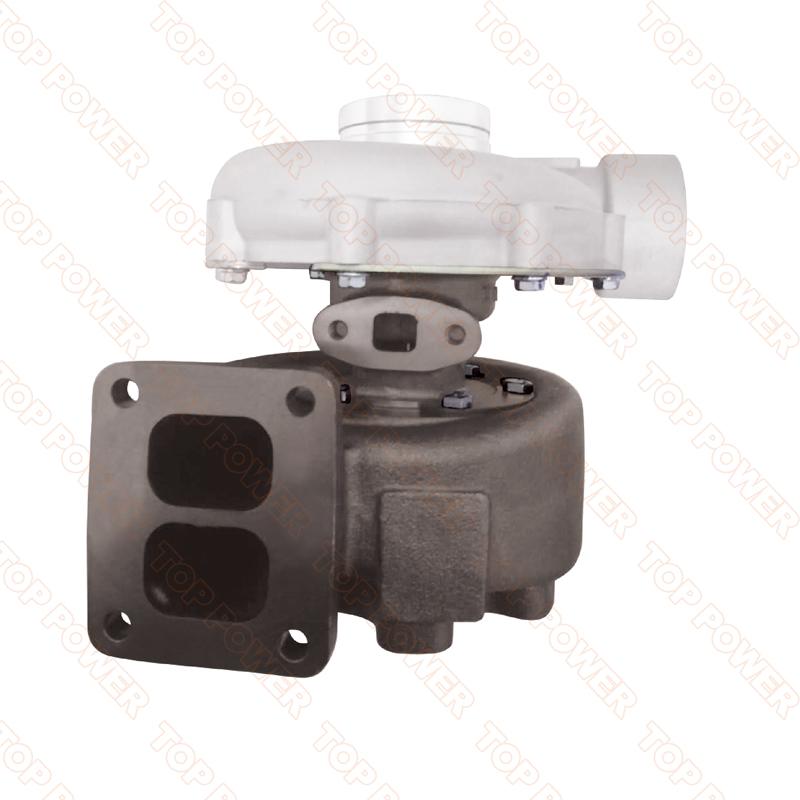
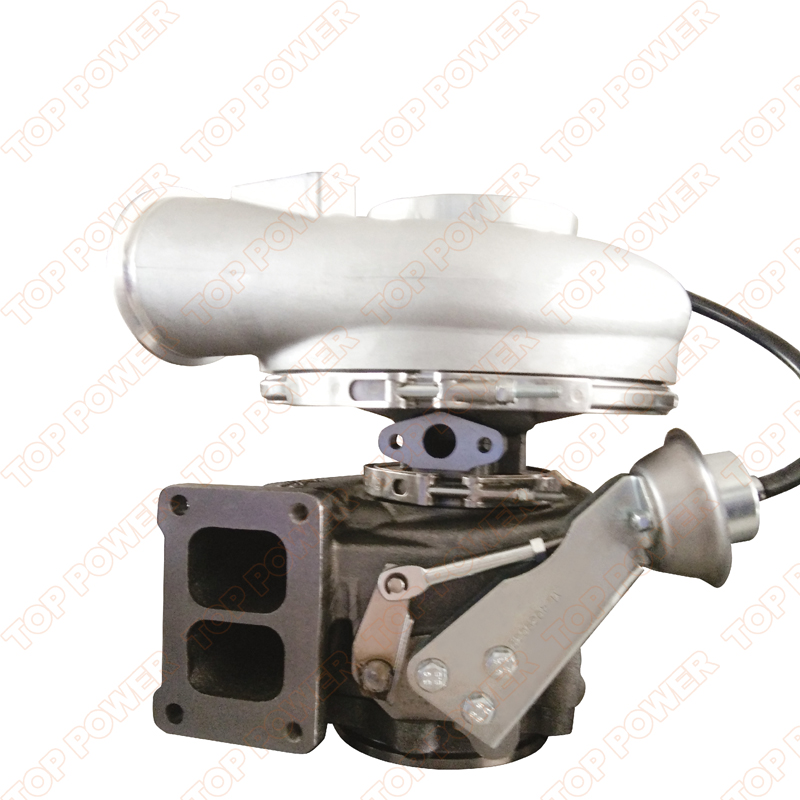
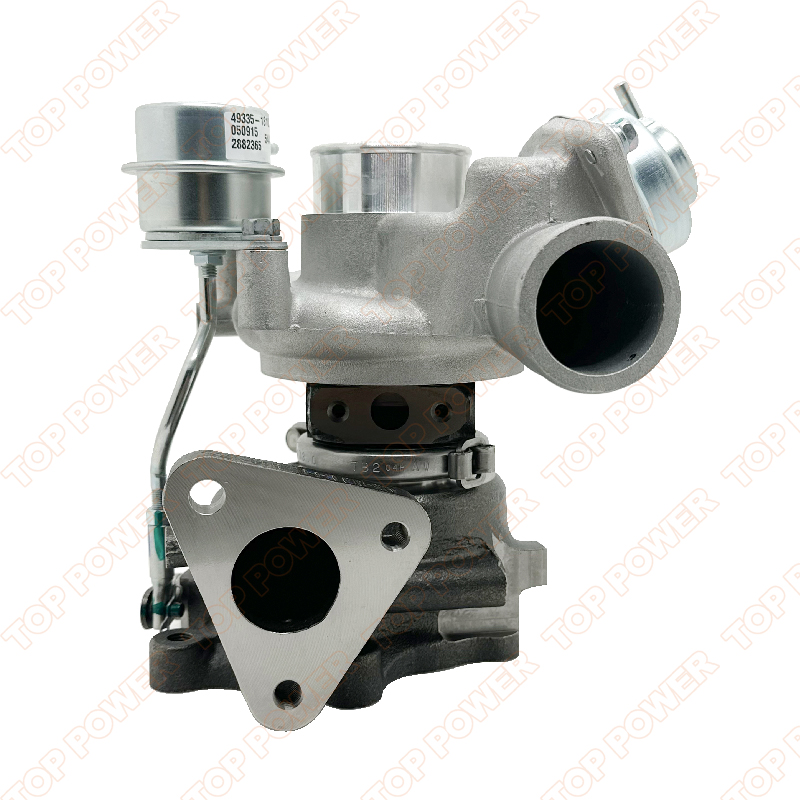

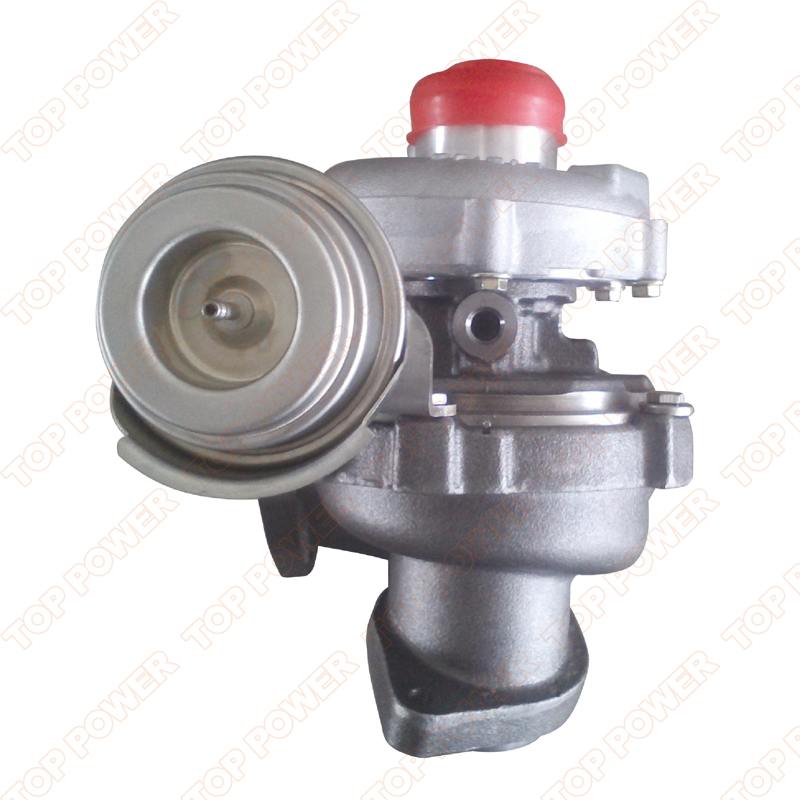

Turbocharger Housing Design: Why A/R Ratio Matters
When people compare turbochargers, they often look first at wheel size, bearing type, or boost target. But one of the most important details is often hidden in the housing design itself: the A/R ratio.
A/R stands for Area over Radius, and it is one of the key measurements used to describe the shape of a turbocharger housing. In simple terms, it affects how exhaust gas flows into the turbine and how quickly the turbo responds.
What the A/R ratio does
The A/R ratio helps determine the balance between response and top-end airflow.
A smaller A/R housing usually allows exhaust gas to hit the turbine wheel faster. This can help the turbo spool earlier and improve low-end response. It is often preferred in applications where quick boost build-up matters more than maximum high-RPM power.
A larger A/R housing gives exhaust gas more room to flow. This can reduce restriction at higher engine speeds and support stronger top-end performance. The trade-off is usually a slower spool and more turbo lag at low RPM.
Why it matters in real use
In real driving, the wrong A/R choice can make a turbo feel either too lazy or too restricted.
For example:
A small A/R may feel sharp and responsive in city driving, but could choke the engine at higher RPM.
A large A/R may work well on a performance build, but feel weak in daily use if the engine does not generate enough exhaust flow.
That is why A/R is not just a technical number. It directly affects how the vehicle feels on the road.
Different engines need different housing designs
There is no single A/R ratio that works best for every engine. The right choice depends on engine displacement, fuel type, camshaft setup, boost target, and intended use.
Diesel engines often benefit from different housing characteristics than gasoline engines because of their exhaust flow and torque behavior. A street car, a tow vehicle, and a race car may all need very different housing designs even if the turbocharger model looks similar.
A/R and turbocharger efficiency
A good housing design does more than control spool speed. It also affects overall turbo efficiency. If the housing is too small, backpressure can rise and exhaust flow becomes restricted. If it is too large, the turbo may respond too slowly and lose drivability.
The goal is always to find the best balance for the application. That is why housing design is such an important part of turbocharger matching.
Why buyers should pay attention
Many customers focus only on the turbo part number, but the housing design can change the result dramatically. Two turbochargers with similar wheels can perform very differently if the A/R ratio is not the same.
For buyers, it is worth checking:
engine size
fuel type
intended use
spool preference
boost range
A proper housing choice can improve performance, drivability, and reliability all at once.
Final thought
Конструкция корпуса турбокомпрессора — это не просто подгонка деталей. Соотношение A/R определяет, как турбокомпрессор «дышит», как быстро он раскручивается и как работает во всем диапазоне оборотов. В конечном итоге, лучший турбокомпрессор — это не всегда самый большой, а тот, у которого подходящий корпус для выполнения конкретной задачи.